Admin
Admin Call Us 24/7
+91 99622 57500
A strong financial plan begins with growth-oriented investing and ends with disciplined saving and compounding. By combining commodities, a free savings account, and the power of reinvestment, you can build both resilience and long-term wealth. Step 1: Enter the Commodity Market Allocate a portion of your portfolio to commodities for diversification and inflation protection. Consider […]
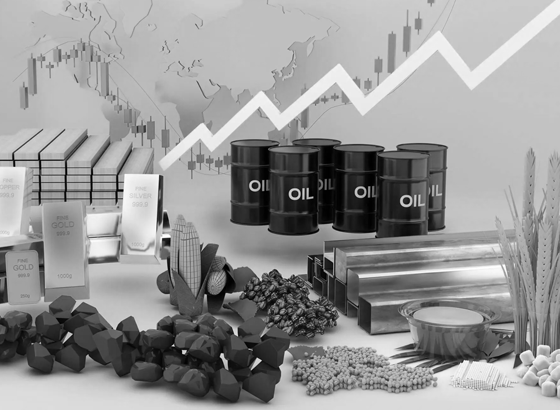
A strong financial plan begins with growth-oriented investing and ends with disciplined saving and compounding. By combining commodities, a free savings account, and the power of reinvestment, you can build both resilience and long-term wealth.
Allocate a portion of your portfolio to commodities for diversification and inflation protection. Consider broad-based exchange-traded funds (ETFs) or mutual funds that hold assets like gold, oil, or agricultural products. These help balance stock and bond market volatility.
Spot and derivatives markets provide exposure through physical trades or futures contracts, useful for hedging or speculation.
For simplicity and reduced risk, ETFs and commodity funds are a better entry point than direct futures or options.
When gains are realized, secure them in a high-yield, no-fee savings account. This creates a safe foundation and ensures liquidity for reinvestment or emergencies.
Choose accounts with competitive interest rates and no monthly fees.
Move profits promptly to keep money working while remaining accessible.
Wealth accelerates when profits and interest are reinvested instead of left idle. Compounding ensures returns generate further returns, creating exponential growth.
Automate reinvestment of both commodity profits and savings account interest.
Start early and stay consistent—even small, regular deposits grow significantly over time.
Compounding formula:
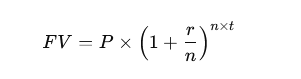
Where:
FV = Future Value
P = Principal
r = Annual interest rate
n = Number of compounding periods per year
t = Time in years
Regularly review your portfolio to identify top-performing assets and rebalance where needed. Continue the cycle:
Invest selectively in commodities.
Secure gains in savings.
Reinvest and compound for accelerated growth.
A financial plan that leverages commodities for growth, savings accounts for stability, and compounding for wealth creation offers a dynamic yet secure path to financial success—balancing opportunity with protection.


Call Us 24/7
+91 99622 57500
Mail Us Anytime
info@hyfyprofit.com